
What Is a Labor Union
A labor union is an organized association of workers who join together to negotiate wages, benefits, and working conditions with employers. Unions exist to give individual workers collective strength they cannot achieve alone.
Through formal representation, a union transforms scattered individual voices into a single, organized force at the bargaining table. This guide explains how a labor union functions, why it matters, and what you can expect if you join one.
Understanding the Purpose of a Labor Union
A labor union exists to balance the power between employers and employees. Without collective representation, individual workers often have limited leverage when negotiating pay or conditions.

Unions address this imbalance by pooling the bargaining power of many workers into one negotiating body. Employers must then negotiate with a unified group rather than dictate terms to isolated individuals.
This structure allows workers to secure protections that would be difficult to obtain alone, including standardized wages, safer working conditions, and formal grievance processes.
How a Labor Union Operates
A labor union operates through elected leadership, structured dues, and formal bargaining processes. Members vote on key decisions, including contract approval and leadership elections.
Day to day, the union represents members in disputes, monitors workplace compliance, and negotiates renewals of existing labor contracts. The following components form the backbone of most labor unions.

Collective Bargaining
Collective bargaining is the formal process through which union representatives negotiate contract terms with employers. These negotiations cover wages, hours, benefits, and workplace policies.

Membership and Dues
Union members typically pay regular dues that fund representation, legal support, and administrative operations. Dues amounts vary by union and industry, but they directly fund the services members receive.
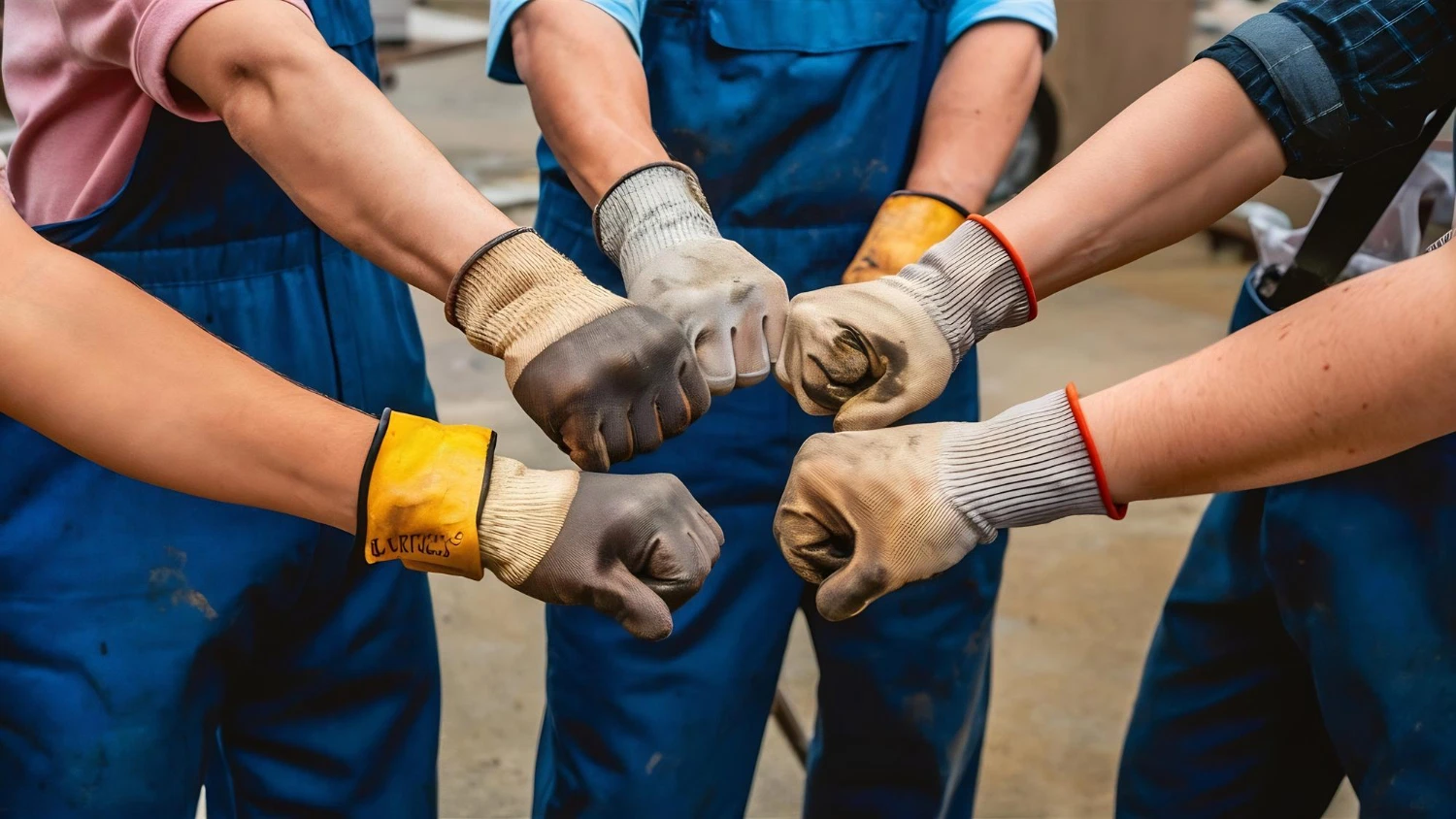
Union Representatives
Elected or appointed representatives, often called stewards, act as the first point of contact between workers and management. They handle day to day concerns and escalate larger disputes to union leadership.

Grievance Procedures
When a contract violation occurs, members can file a formal grievance through the union. This process provides a structured path to resolution rather than leaving disputes to informal negotiation.
Benefits of Joining a Labor Union
Union membership provides direct, measurable advantages across pay, security, and workplace treatment. Workers covered by union contracts typically earn higher wages than non-union counterparts in similar roles.
Beyond pay, a union provides structured protection against unfair termination and disciplinary action. Members gain access to a formal process before facing serious workplace consequences.

Health insurance, retirement contributions, and paid leave are frequently stronger in unionized workplaces. Collective bargaining allows workers to negotiate benefit packages that individual employees rarely secure alone.
Union representation also extends to legal support during disputes. Many unions provide access to legal counsel or advocacy at no direct cost to the member.
Finally, union membership creates a structured channel for worker voice. Members can raise concerns about safety, scheduling, or management practices through formal, protected channels rather than risking individual retaliation.
Public Sector Unions
Public sector unions represent government employees, including teachers, firefighters, and municipal workers. These unions often negotiate directly with government agencies rather than private employers.
Private Sector Unions
Private sector unions represent workers in industries such as manufacturing, retail, and transportation. Their bargaining power depends heavily on industry conditions and employer cooperation.
Trade and Craft Unions
Trade unions organize workers within a specific skilled occupation, such as electricians or plumbers. Membership often requires completing an apprenticeship or trade certification.
Frequently Asked Questions About Labor Unions
These common questions address the practical details workers want to know before joining a labor union.
How do I join a labor union?
Most workers join a union either through their workplace already being organized or by forming a new union with coworkers. Contact a relevant labor union directly to learn about eligibility and the application process.
How much do union dues typically cost?
Union dues vary by industry and union, but they commonly range from one to two percent of wages. Dues fund representation, legal support, and contract negotiation services.
Can my employer punish me for joining a union?
Labor law in most jurisdictions protects workers from retaliation for union activity. Employers who violate these protections can face legal consequences through labor boards or courts.
Do all workplaces allow union organizing?
Workers generally retain the legal right to organize regardless of employer preference, though enforcement varies by country and industry. Some sectors face additional restrictions depending on local labor law.
What happens if my union and employer cannot reach an agreement?
When negotiations stall, a union may pursue mediation, arbitration, or in some cases a strike. The specific process depends on the union’s bylaws and applicable labor regulations.
Is union membership mandatory in unionized workplaces?
This depends on local law and the specific labor agreement in place. Some workplaces require all employees in a represented role to pay dues, while others make membership optional.